
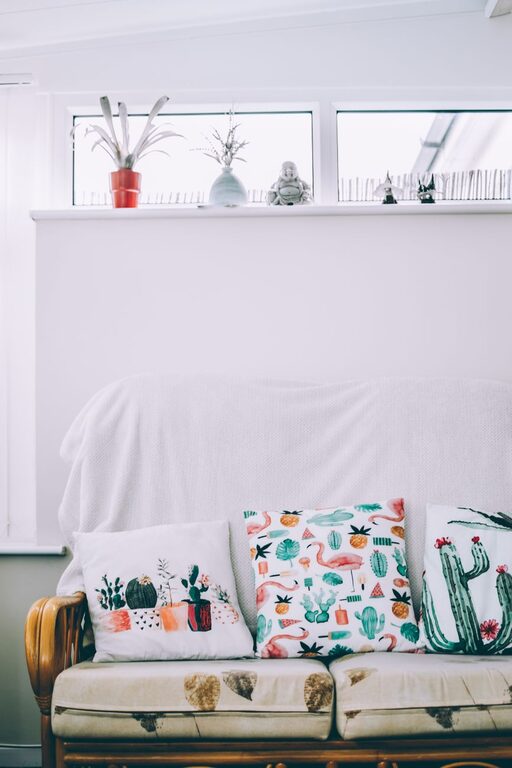
When a room feels dark and gloomy, it can affect your mood and make the space less enjoyable. Whether your room lacks natural light or the walls and furniture feel heavy, there are many quick and affordable ways to brighten it up. From lighting solutions to decorating tips, you can transform a dark room into a cheerful, inviting area in no time. Here are some practical ideas to get started.
1. Maximize Natural Light
Keep Windows Unobstructed
Make sure curtains or blinds don’t block sunlight. Opt for light, sheer curtains instead of heavy drapes. Sheer fabrics diffuse light gently, helping to brighten the space while maintaining privacy.
Use Mirrors Strategically
Mirrors reflect light and create an illusion of more space. Place a large mirror opposite a window to bounce natural light around the room. Smaller mirrors grouped together can also add interest and brightness.
Clean Windows Regularly
Dirty windows can reduce the amount of light entering a room. Clean your windows inside and out to allow the maximum amount of sunlight.
2. Choose Light Colors
Paint Walls with Light Tones
Light colors absorb less light and reflect more, making the room feel brighter. White, cream, soft pastels, and light gray are excellent choices for walls in darker rooms.
Brighten Up with Light-Colored Furniture
If repainting isn’t an option, consider adding light-colored furniture or slipcovers. White, beige, or light wood tones can lift the overall brightness.
Incorporate Bright Accessories
Use colorful throw pillows, rugs, or artwork with light and vibrant colors to add pops of brightness without overwhelming the room.
3. Add Layered Lighting
Combine Ambient, Task, and Accent Lighting
A single ceiling light may not be enough. Use a mix of lighting sources to brighten every corner:
– Ambient lighting provides overall illumination.
– Task lighting focuses on specific areas, like reading lamps.
– Accent lighting highlights artwork or architectural features.
Use Lamps with White or Light-Colored Shades
Lamp shades affect how much light spreads in a room. White or translucent shades allow more light diffusion, brightening the space.
Install LED Bulbs
LED bulbs provide bright light while being energy-efficient. Choose bulbs with a higher lumen output and a color temperature around 3000K to 4000K for a warm but bright feel.
4. Reflective Surfaces and Textures
Incorporate Shiny and Glossy Finishes
Glass, chrome, and metallic finishes on furniture, fixtures, and accessories reflect light. Consider a glass coffee table, metallic picture frames, or shiny vases.
Use Light-Reflecting Tiles
In kitchens or bathrooms, light-colored, glossy tiles bounce light around more effectively than matte or dark materials.
Add Textured Fabrics
Textured curtains, cushions, and rugs can catch and reflect light differently throughout the day, giving a vibrant look.
5. Declutter and Organize
Keep Surfaces Clear
Clutter absorbs light and makes a room feel crowded and dark. Keep surfaces tidy and organized to allow light to spread evenly.
Use Open Shelving
Closed, dark cabinets can make a room feel closed in. Open shelves with light-colored backing brighten spaces and provide display spots for decorative, light-reflective items.
Choose Transparent or Light Furniture
Furniture made of acrylic, glass, or light wood helps the space feel more open and less heavy.
6. Strategic Use of Plants
Select Plants with Light-Colored Leaves
Plants add life and color, but some have brighter foliage that can brighten a space. Snake plants, spider plants, and some varieties of ferns work well.
Place Plants Near Light Sources
Positioning plants where they can get natural or artificial light helps them thrive and adds freshness to the room.
Use Decorative Planters
Bright or reflective pots and planters can add to the room’s brightness and style.
7. Use Rugs and Flooring Wisely
Choose Light-Colored Rugs
Dark floors and rugs can absorb light and make the room feel smaller. Light-colored rugs brighten floors and add warmth.
Consider Changing Flooring
If possible, lighter wood, laminate, or vinyl flooring options can brighten the entire room foundation.
Final Tips
– Avoid heavy, dark furniture unless paired with lighter walls and ample lighting.
– Keep furniture low-profile to prevent light blocking.
– Regularly update your lighting accessories to the newest energy-efficient options that offer better brightness.
Brightening a dark room doesn’t require a major renovation. Small changes like updating curtains, adding mirrors, layering lights, and choosing lighter colors can create a noticeable difference. With these tips, your dark room can become a bright, cheerful haven that you enjoy spending time in every day.
About the Author