
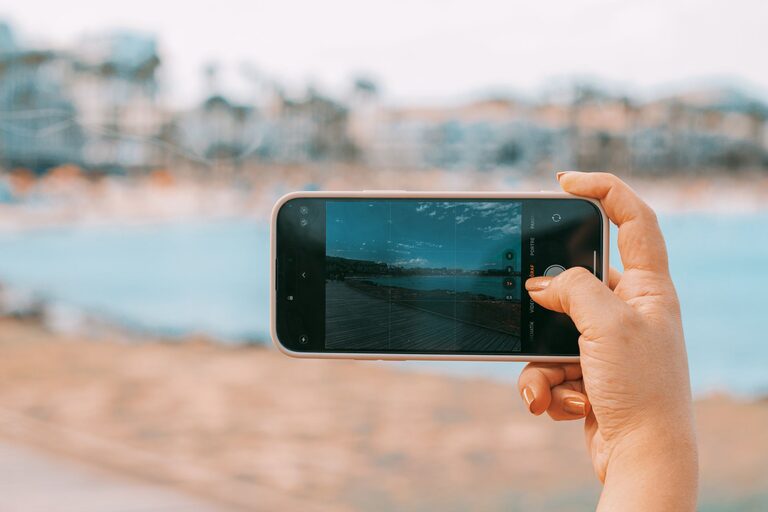
Taking great photos with your phone is easier than you might think. With the right techniques and a little practice, you can capture sharp, well-composed images that tell a story or simply look beautiful. Whether you’re new to phone photography or just want to improve your skills, this guide will walk you through some essential tips for taking better phone photos.
Understand Your Phone’s Camera Features
Explore Camera Settings
Most smartphones come equipped with versatile camera apps packed with features such as HDR, grid lines, filters, and various shooting modes. Spend some time exploring these settings. For example, turning on the grid lines helps you apply the “rule of thirds” to improve your composition (more on that later).
Learn About Focus and Exposure
Tap on the screen where you want the camera to focus. This not only sharpens that area but also often adjusts the exposure (brightness) for that spot. You can also manually adjust exposure by sliding your finger up or down after tapping the focus point.
Composition Basics
Use the Rule of Thirds
Imagine your screen divided into nine equal sections with two vertical and two horizontal lines. Position key elements along these lines or at their intersections. This makes your photos more balanced and visually appealing.
Keep the Horizon Level
Whether you’re capturing landscapes or cityscapes, a crooked horizon can distract viewers. Use your phone’s grid lines or an external app to keep horizons straight.
Fill the Frame
Get closer or use zoom thoughtfully to make your subject the main focus. Avoid excessive empty space unless it contributes to the story or mood of the photo.
Mind the Background
Check your background before snapping the shot. Sometimes a cluttered or distracting background can take attention away from your subject.
Lighting Tips
Shoot in Natural Light
Natural daylight usually produces the best results. Early morning or late afternoon, known as the golden hour, offers soft, warm light that enhances colors and textures.
Avoid Harsh Sunlight
Direct midday sun can cause strong shadows and highlights. If shooting in bright sunlight, try to find shade or shoot with the sun behind you to reduce glare and harsh contrasts.
Use the Flash Sparingly
Phone flash often creates flat or harsh lighting. Whenever possible, rely on natural light or an external light source.
Steady Your Shot
Hold Your Phone Firmly
Keep your hands steady to avoid blurry photos. Use both hands, tuck elbows into your body, or lean against a stable surface.
Use Burst Mode for Action Shots
Burst mode captures multiple photos in rapid succession. This way, you can select the sharpest image if your subject is moving.
Consider a Tripod or Stand
For low-light conditions or long exposure shots, a small tripod designed for smartphones can greatly reduce camera shake.
Experiment with Angles and Perspectives
Change Your Shooting Angle
Instead of holding your phone at eye level, try shooting from high above, ground level, or side angles. Different perspectives can make ordinary subjects more interesting.
Get Close for Detail Shots
Use your phone’s macro capabilities or simply move close to capture textures and details that might be missed in wider shots.
Editing Your Photos
Use Built-in Editing Tools
Most phone gallery apps include basic editing features like cropping, adjusting brightness, contrast, and sharpness. These simple tweaks can enhance your photos significantly.
Try Free Editing Apps
Apps like Snapseed, VSCO, or Lightroom Mobile offer powerful editing tools that are easy to learn and use.
Don’t Overdo It
Aim for subtle and natural edits. Over-editing can make photos look artificial or detract from the original moment.
Practice Regularly and Review Your Work
Take Photos Often
The more photos you take, the more you learn what works and what doesn’t. Don’t be afraid to experiment.
Review and Learn
Look back at your photos to identify strengths and areas for improvement. Ask friends for feedback or join online photo communities to share your work.
Final Thoughts
Taking better phone photos doesn’t require expensive equipment or technical skills. With an understanding of your camera’s features, attention to lighting and composition, and a willingness to practice, you’ll see your photography improve quickly. So next time you pick up your phone, remember these beginner tips to transform ordinary snapshots into memorable images. Happy shooting!
About the Author