
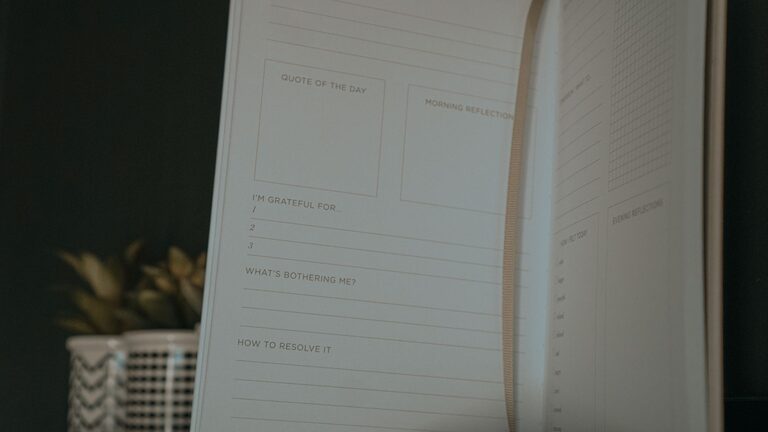
Journaling is a simple yet powerful practice that can help improve your mental clarity, organize your thoughts, and promote self-awareness. If you’re new to journaling and want to make it a daily habit, this beginner guide will walk you through easy steps to get started and maintain consistency.
Why Journaling Every Day Matters
Journaling isn’t just about writing down your day. It’s a tool for reflecting on your experiences, tracking progress, and managing emotions. Regular journaling can:
– Reduce stress and anxiety by providing an outlet for your feelings
– Improve focus and decision-making through clearer thinking
– Encourage gratitude and positivity by highlighting daily wins
– Help you set and achieve personal goals with a written record
– Enhance creativity and problem-solving skills
By making journaling a daily routine, you build a habit that supports your overall well-being.
Choosing the Right Journaling Method
Before you begin, consider what style of journaling fits your personality and lifestyle. Here are some popular options:
Traditional Pen and Paper
– Pros: Tangible, no distractions, easy to personalize
– Cons: Less portable than digital options, can be misplaced
Digital Journaling Apps
– Pros: Accessible on devices, searchable entries, often include prompts
– Cons: Potential distractions, requires battery or internet
Audio or Video Journals
– Pros: Good for those who prefer speaking, more expressive
– Cons: Requires gadgets, less privacy if not secured
Choose a method that feels comfortable and easy to maintain.
Setting Up Your Daily Journaling Practice
Pick a Consistent Time
Find a moment in your day when you can dedicate 5 to 15 minutes without interruptions. Many people prefer journaling:
– First thing in the morning to set intentions
– Before bed to reflect on the day
Create a Comfortable Space
Whether it’s by a window, your favorite chair, or a quiet corner, set up a spot that invites relaxation and focus.
Start Small and Be Realistic
You don’t need to write pages every day. Even a few sentences or bullet points matter. The goal is consistency, not volume.
What to Write About: Ideas for Beginners
If you’re unsure what to jot down, here are some simple prompts to get started:
– Daily highlights: What went well today?
– Gratitude list: Name 3 things you’re thankful for
– Mood check-in: How do you feel right now?
– Goals and plans: What do you want to achieve tomorrow?
– Challenges: What obstacles did you face and how did you handle them?
Feel free to mix and match these prompts or let your thoughts flow freely.
Tips to Keep Your Journaling Habit Going
– Set reminders: Use phone alarms or sticky notes to prompt journaling
– Be kind to yourself: Skip days don’t mean failure; just resume when you can
– Review your entries: Weekly or monthly reflections can reveal patterns and growth
– Experiment: Try different styles like lists, stories, poems, or sketches
Overcoming Common Challenges
“I don’t have time.”
Even 5 minutes counts. Try writing shorter entries or combining journaling with another routine (like morning coffee).
“I don’t know what to write.”
Use prompts or bullet points to get started. Remember, there’s no right or wrong way to journal.
“I’m worried about privacy.”
Keep your journal in a safe place or use password-protected apps. Remember, your journal is for you.
Conclusion
Journaling every day is a rewarding habit that can enhance your mental well-being and personal growth. Starting small, selecting a method you enjoy, and keeping realistic expectations will help you stick with it. Take the time to write down your thoughts, feelings, and goals—you might be surprised at the positive impact on your life.
Happy journaling!
About the Author