Composting at home is a rewarding way to recycle kitchen scraps and yard waste into rich, nutrient-packed soil that benefits your garden and the environment. If you’re new to composting, it might seem a bit overwhelming at first, but with a few simple tips and some basic know-how, you can start composting confidently and effectively.
In this guide, we’ll walk you through everything you need to know to get started with home composting, including choosing the right compost method, what to compost, and how to maintain your compost pile for the best results.
Why Compost at Home?
Composting helps reduce the amount of organic waste sent to landfills and turns it into valuable fertilizer that improves soil quality. It enriches your garden soil, helps retain moisture, reduces the need for chemical fertilizers, and supports healthy plant growth. Plus, it’s a straightforward practice that anyone can do, even in small spaces.
Choosing the Right Composting Method
Before you begin, decide which composting method fits your lifestyle and available space.
1. Compost Bin
A compost bin is a great way to keep your compost pile contained and neat. You can purchase a ready-made bin or build one yourself. Bins help retain heat and moisture, speeding up the decomposition process.
2. Compost Pile
If you have a yard, you can simply create a compost pile in a corner. This method requires more space and may take longer to compost but is easy to start and manage.
3. Tumbler Composters
Compost tumblers are enclosed bins that can be rotated to mix the compost easily. They speed up the process and reduce odor but can be more costly.
4. Worm Composting (Vermicomposting)
Using worms to compost is ideal for small spaces and indoor composting. Worm bins are compact and produce nutrient-rich worm castings for your plants.
What to Compost: Know Your Greens and Browns
Effective composting relies on a balanced mix of “green” and “brown” materials.
Greens (Nitrogen-Rich)
– Fruit and vegetable scraps
– Coffee grounds and filters
– Grass clippings
– Fresh garden wastes
Browns (Carbon-Rich)
– Dry leaves
– Straw or hay
– Shredded paper or cardboard
– Wood chips or sawdust (untreated)
Aim to maintain a ratio of about 2 to 3 parts browns to 1 part greens. This balance helps create heat and supports microbial activity that breaks down material efficiently.
What NOT to Compost
Avoid adding these to your compost:
– Meat, fish, and dairy products (attract pests and cause odors)
– Fats, oils, and grease
– Pet waste
– Diseased plants
– Weeds with seeds
– Treated wood or sawdust from treated wood
Getting Started: Step-by-Step
Step 1: Choose Your Spot
Select a dry, shaded location with good drainage for your compost bin or pile. This helps maintain moisture and prevents the compost from drying out or becoming waterlogged.
Step 2: Start Layering
Begin with a layer of coarse brown materials like twigs or straw to help airflow. Then alternate layers of greens and browns, finishing with a brown layer on top.
Step 3: Keep It Moist
Your compost should be about as damp as a wrung-out sponge. Add water if it’s too dry, or add more browns if it’s too wet and smelly.
Step 4: Turn Your Pile
Aerating your compost by turning it every week or two introduces oxygen, speeding up decomposition and reducing odors. Use a garden fork or compost aerator.
Step 5: Monitor Temperature
A well-functioning compost pile heats up as microbes break down the material. The center should feel warm to the touch. If it cools down, turning and adding fresh greens can help reactivate it.
Troubleshooting Common Composting Issues
– Bad odors: Usually caused by too much moisture or lack of oxygen. Turn the pile and add dry browns.
– Pests: Avoid meat and dairy. Keep the bin covered.
– Pile too dry: Add water or green materials.
– Slow decomposition: Increase turning and balance greens and browns.
Harvesting Your Compost
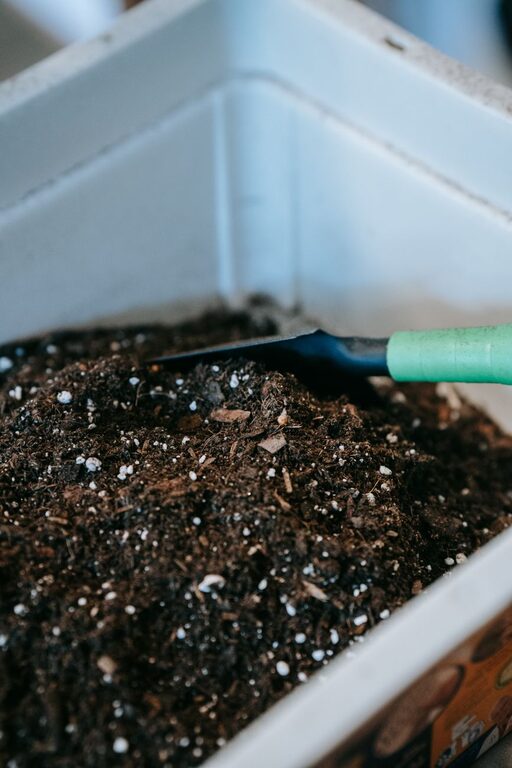
After a few months (or up to a year in slower methods), your compost will turn into dark, crumbly soil that smells earthy. Use it to mulch plants, amend garden beds, or mix into potting soil.
Tips for Success
– Chop or shred larger materials to speed up decomposition.
– Keep a kitchen scrap container handy to save compostable waste daily.
– Have a separate bin for yard waste if you have a lot.
– Be patient—composting is a natural process that takes time but is worth the effort.
Conclusion
Starting to compost at home is easier than you might think. By following these beginner tips, you’ll reduce your household waste, create valuable soil for your garden, and contribute positively to the environment. Whether you have a large backyard or just a small balcony, there’s a composting method that will work for you.
Give it a try, and enjoy the benefits of homemade compost!
About the Author